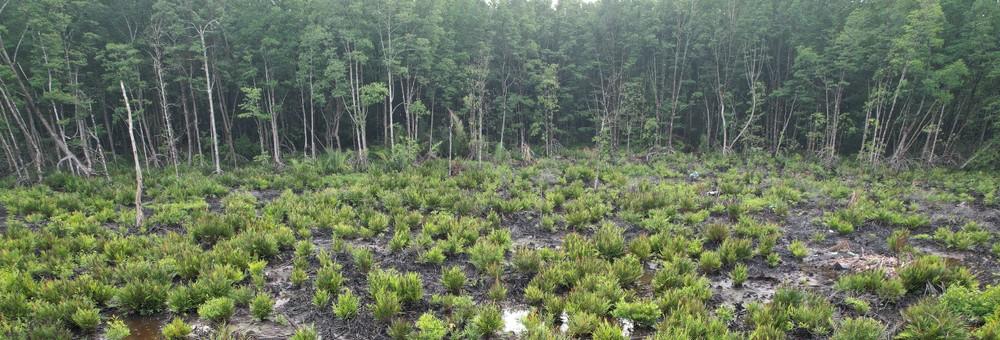


Project story
Reforestation Plan and Approach
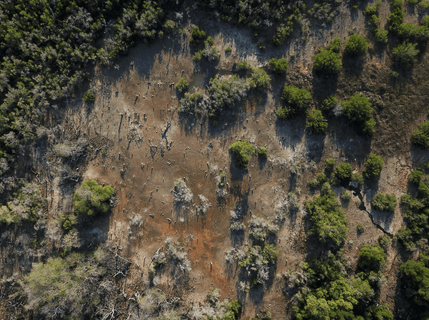
The project combines analogue forestry and coastal agroforestry techniques:
- Analogue forestry restores land to a near pre-disturbance condition, using a diverse mix of native species to rebuild original forest structure and function.
- Coastal agroforestry blends restoration with sustainable community land use, providing resources while protecting nature.
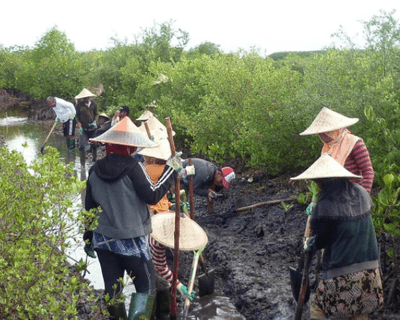
Over 120 potential native species have been identified for these sites, selected for climate resilience, habitat value, and benefits to people. Planting takes place in the wet season to maximise survival, with three years of maintenance including pest and weed control, soil improvement, and fire prevention where needed.
Benefits to the Environment
- Expands habitat for birds, pollinators, and other wildlife.
- Prevents erosion and shields mangrove areas from landward pressures.
- Adds to carbon storage alongside mangrove plantings.
- Improves natural filtration for cleaner coastal waters.
- Strengthens landscape resilience against storms, floods, and saltwater intrusion.
Benefits to the Local Community
- Creates local jobs in seed collection, nursery work, planting, and ongoing care.
- Provides food, timber, and other resources from selected native species.
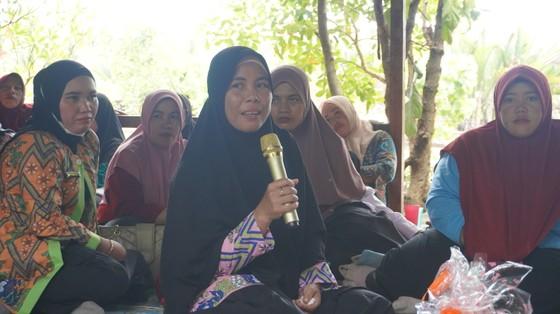
- Supports village regulations to protect restored areas long-term.
- Diversifies income sources, reducing reliance on vulnerable industries like coconut farming in Riau and salt production in NTT.
- Helps communities adapt to climate change by protecting homes, farmland, and infrastructure.