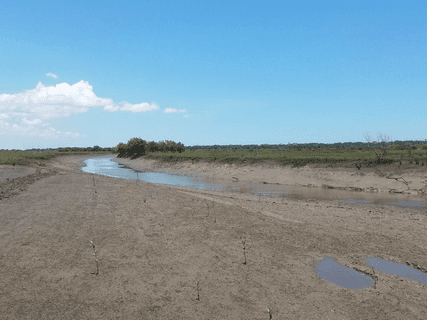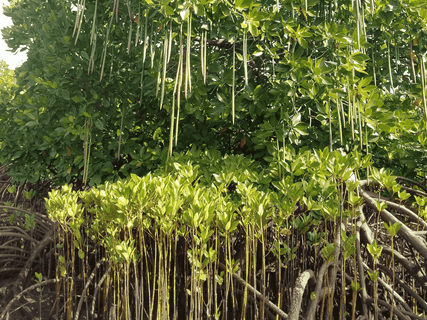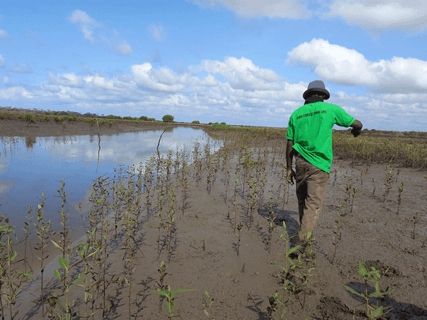
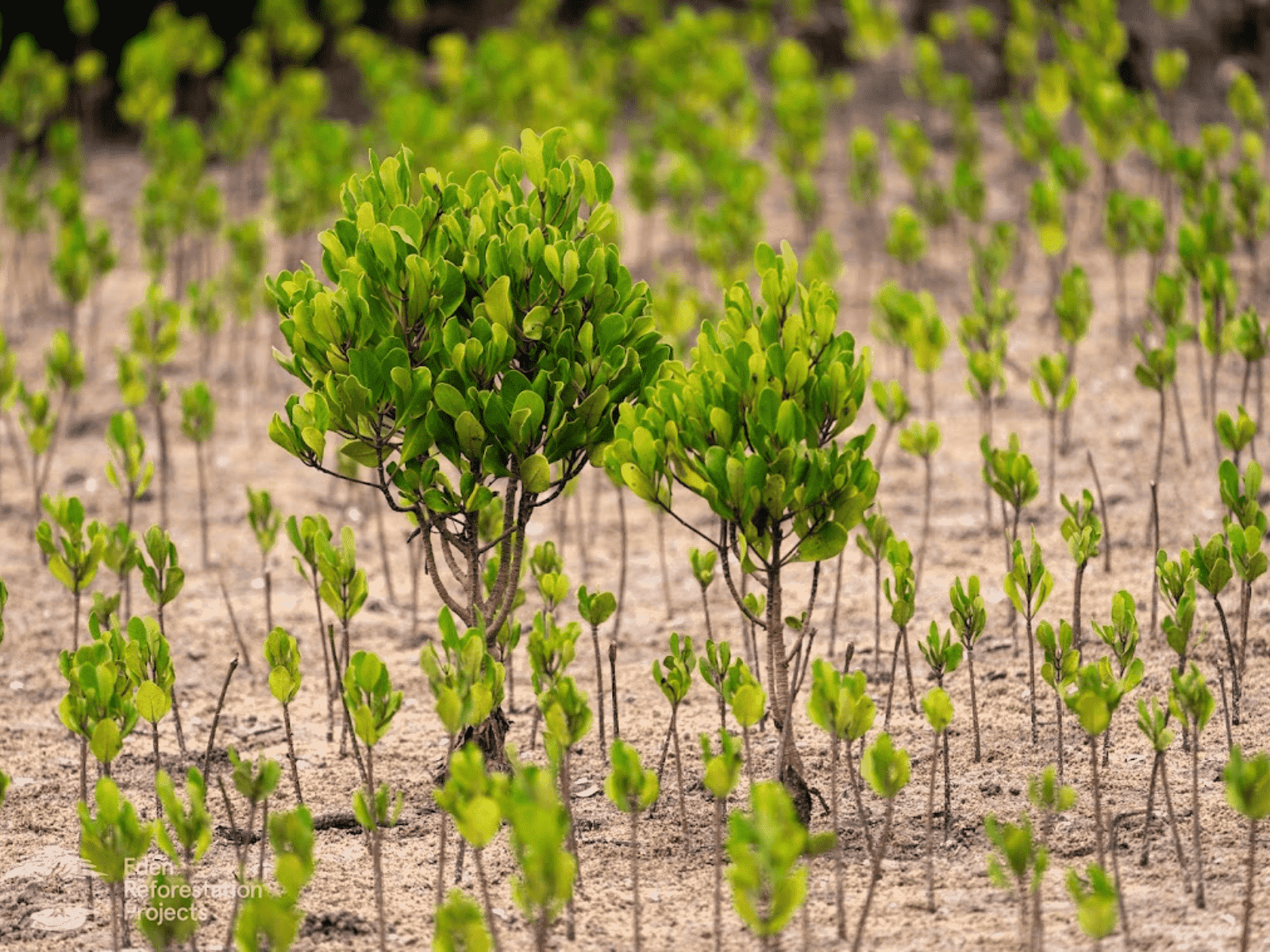



Situated along Kenya's Indian Ocean coast, the Tana Delta is home to more than 2,000 people, primarily from the Pokomo and Orma tribes, whose lives revolve around the river and mangrove swamps. The Tana Delta is a vital ecosystem providing essential services to both humans and wildlife. Declared a Ramsar protected site in 2012, it was the first marine Ramsar site in Kenya. This project engages local people in planting mangrove trees to restore the ecosystem, stimulate economic growth, and empower the community.
Set in Kenya’s Coast Province along the Indian Ocean, the Tana Delta site is home to just over 2,000 people. The Pokomo and Orma are the two main tribes living in the area whose lives revolve around the river and mangrove swamps.
The Tana Delta is a unique ecosystem providing many natural services for people, plants, and wildlife. Facing multiple threats, the Tana River Delta was declared a protected site under the Ramsar convention of 2012, making it the first marine Ramsar site in Kenya.
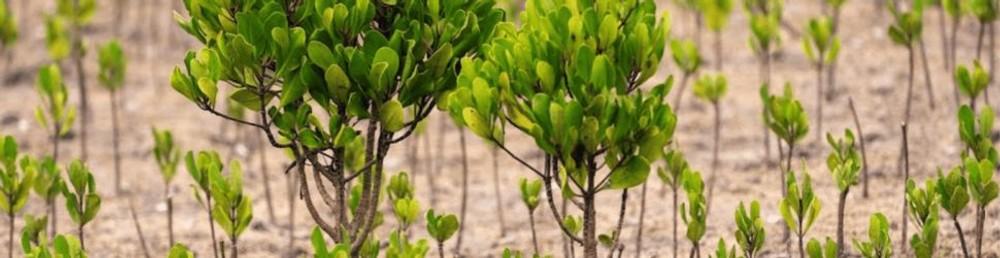
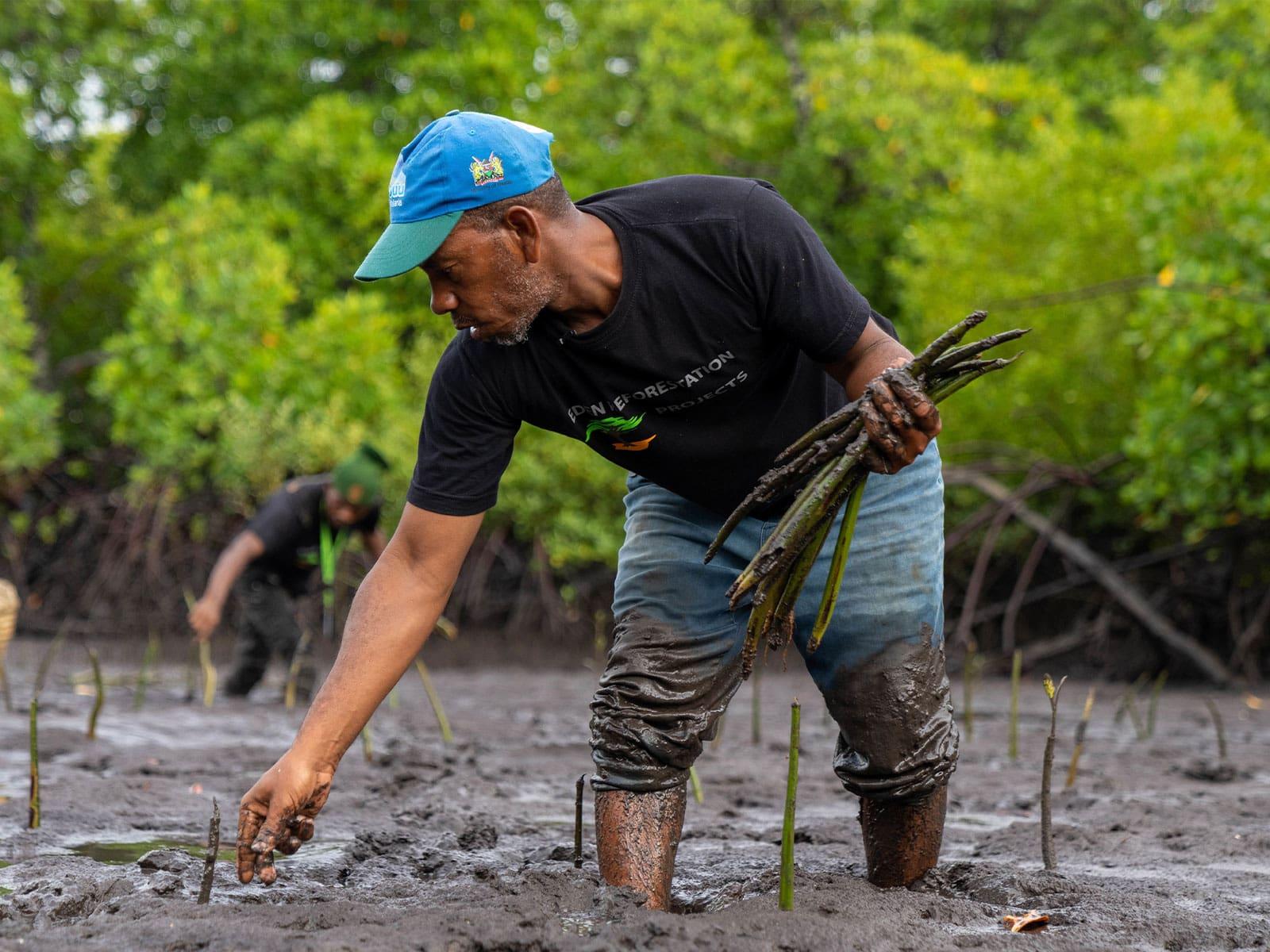
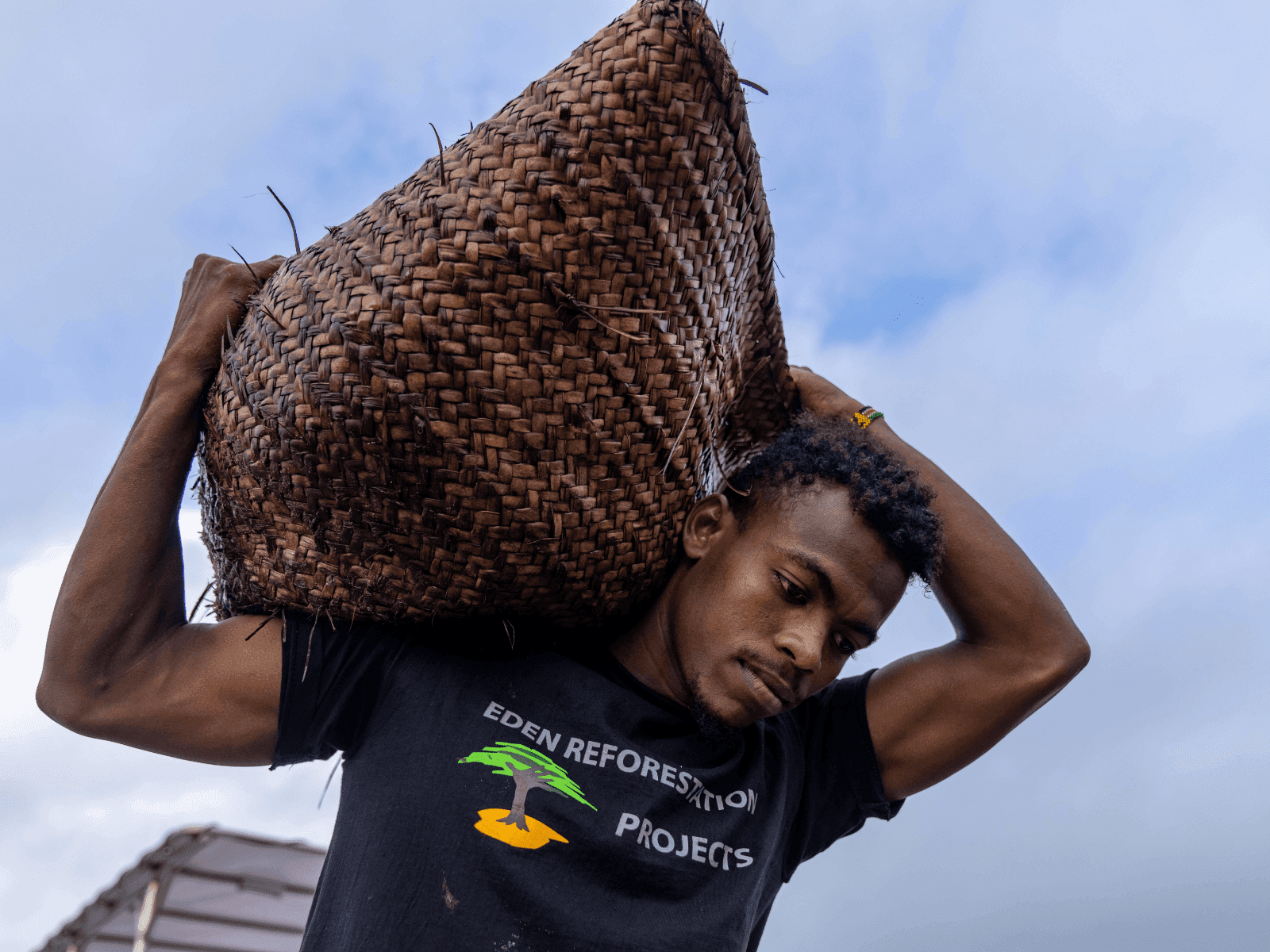
Local people are planting mangrove trees at Tana Delta to stimulate economic growth, break the cycle of poverty, and empower their whole community.
Tena is the largest river in Kenya and a biodiversity hotspot for endemic and IUCN red-listed species. This includes two primates, the Tana River Red Colobus and Tana River Mangabey. Mangrove reforestation helps buffer the impacts of climate change and restores habitats for native fauna like elephants and hippopotamuses.
Between a lack of fresh water and widespread poverty, living conditions would continue to degrade without reforestation. By working directly with communities, these projects ensure that local people benefit from the landscapes they depend upon in a sustainable way.